Home Blog Page 1505

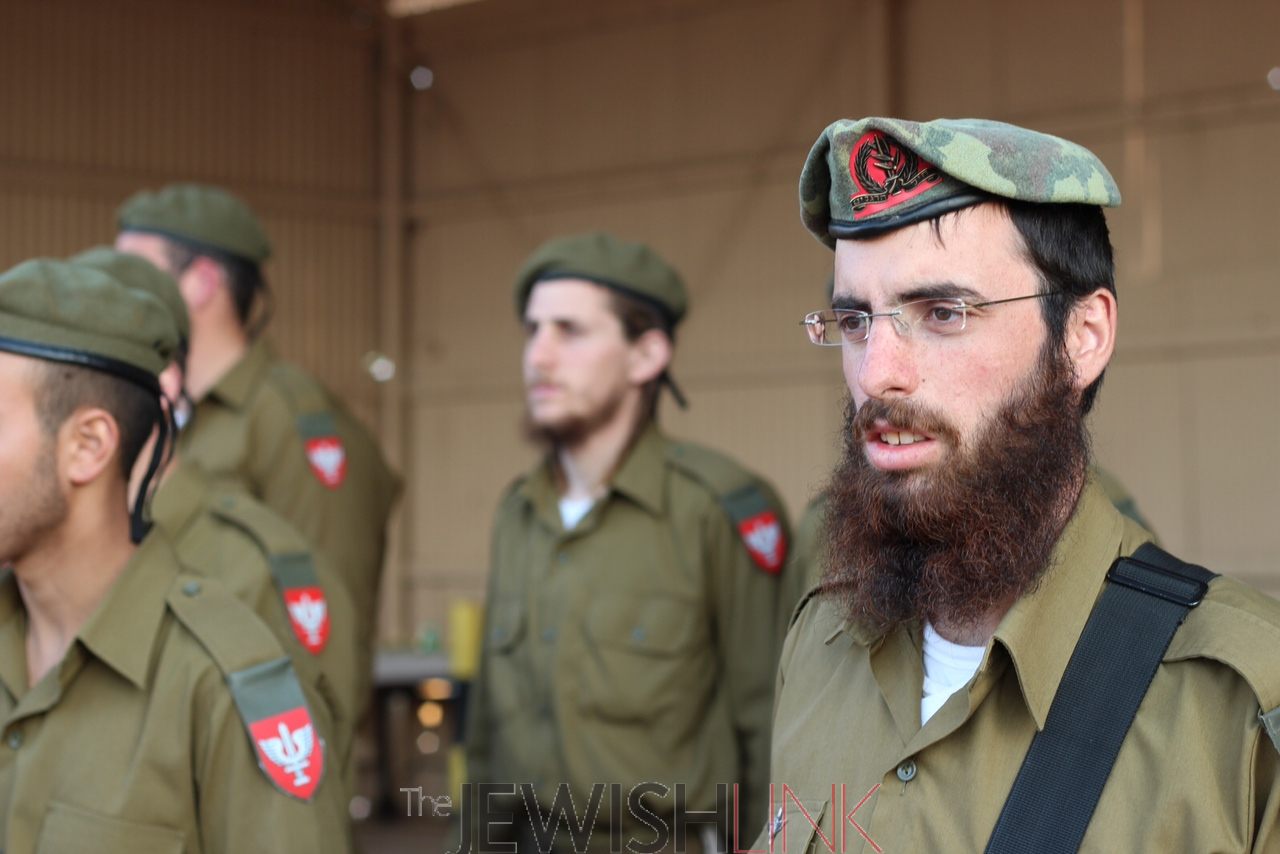
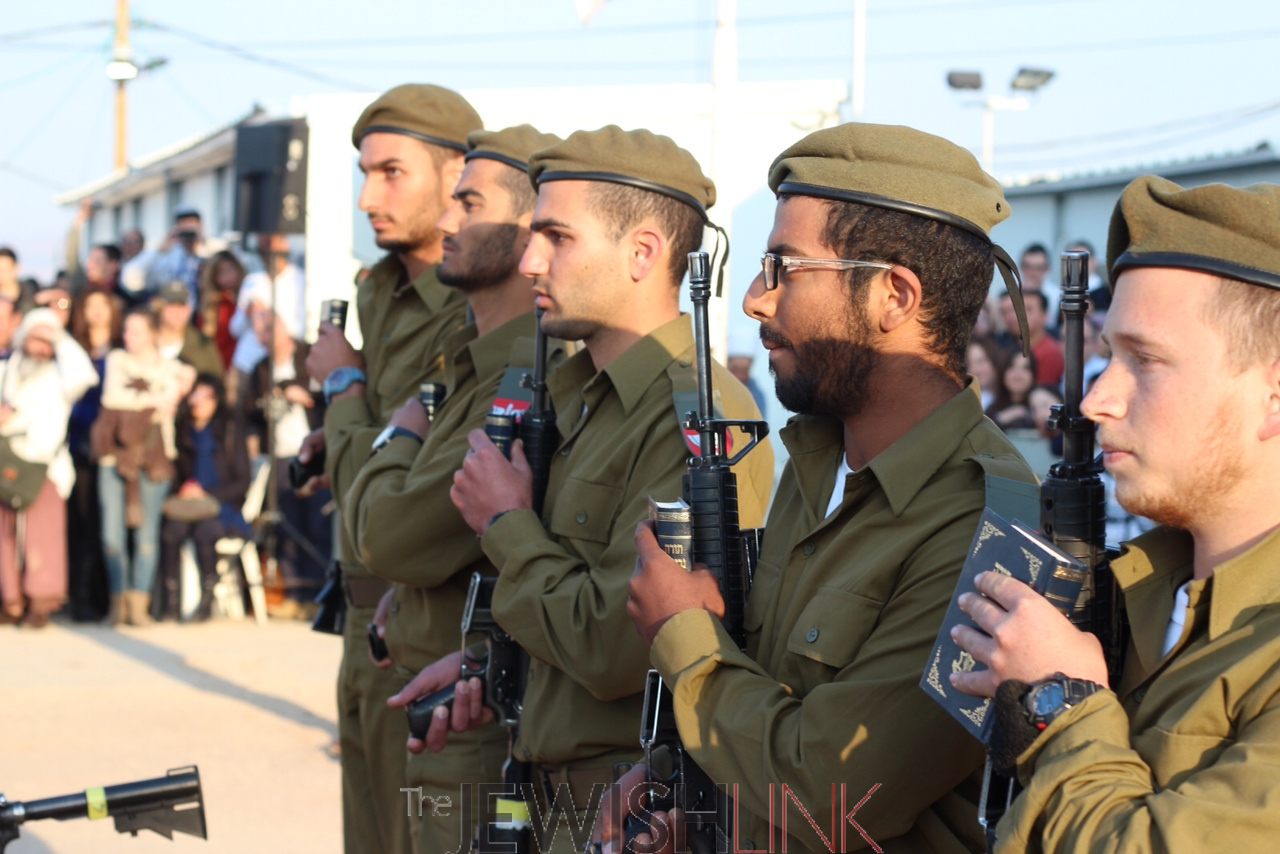
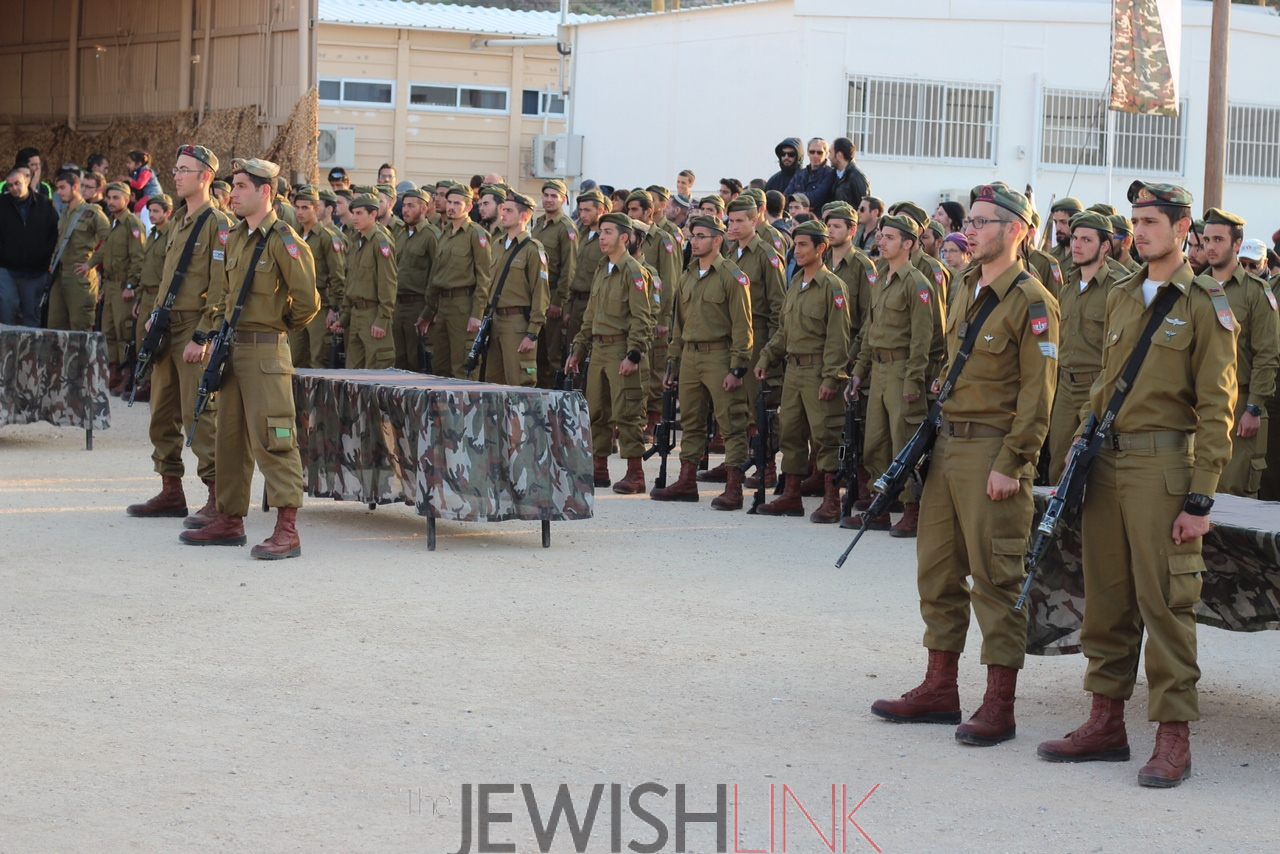
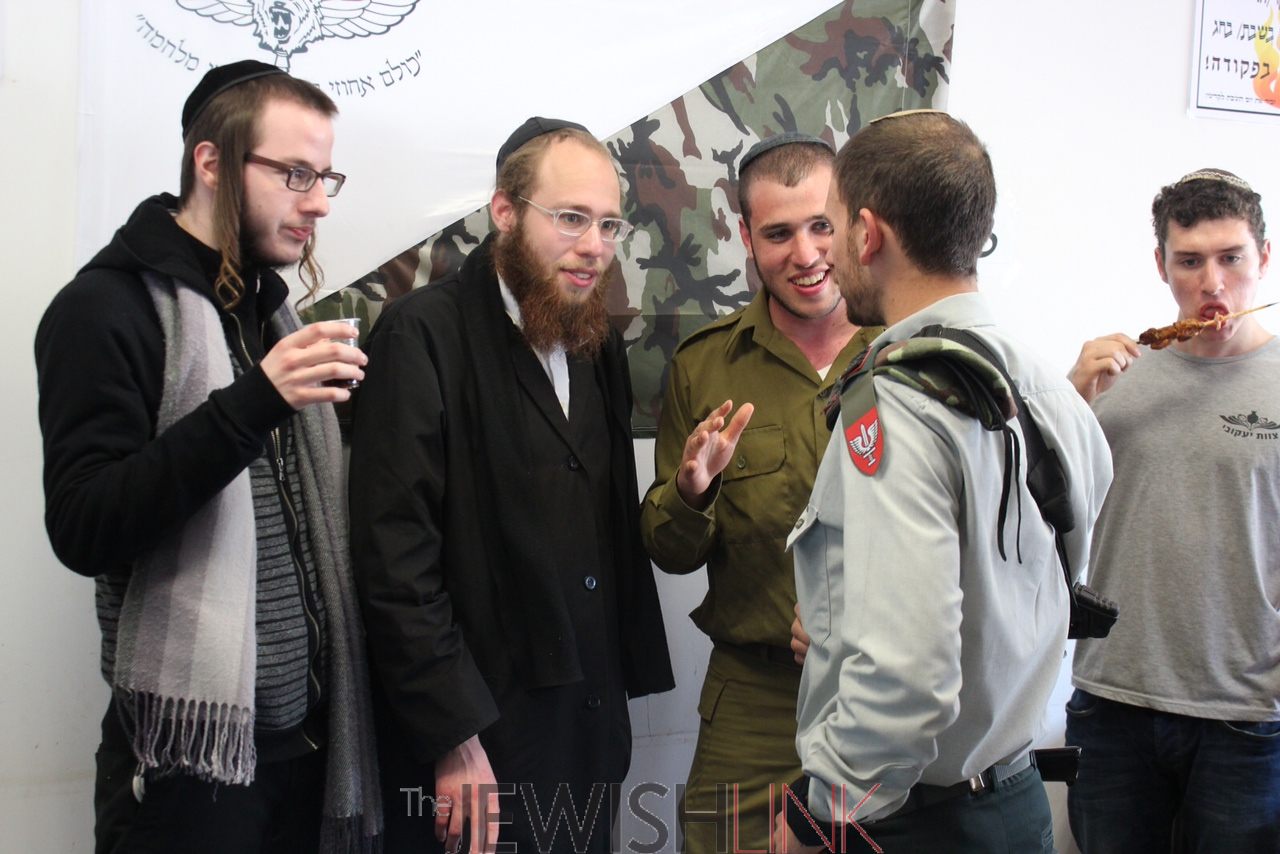
Amid Violent Protests Against Haredi Draft, 170 Haredi Soldiers Sworn In

0

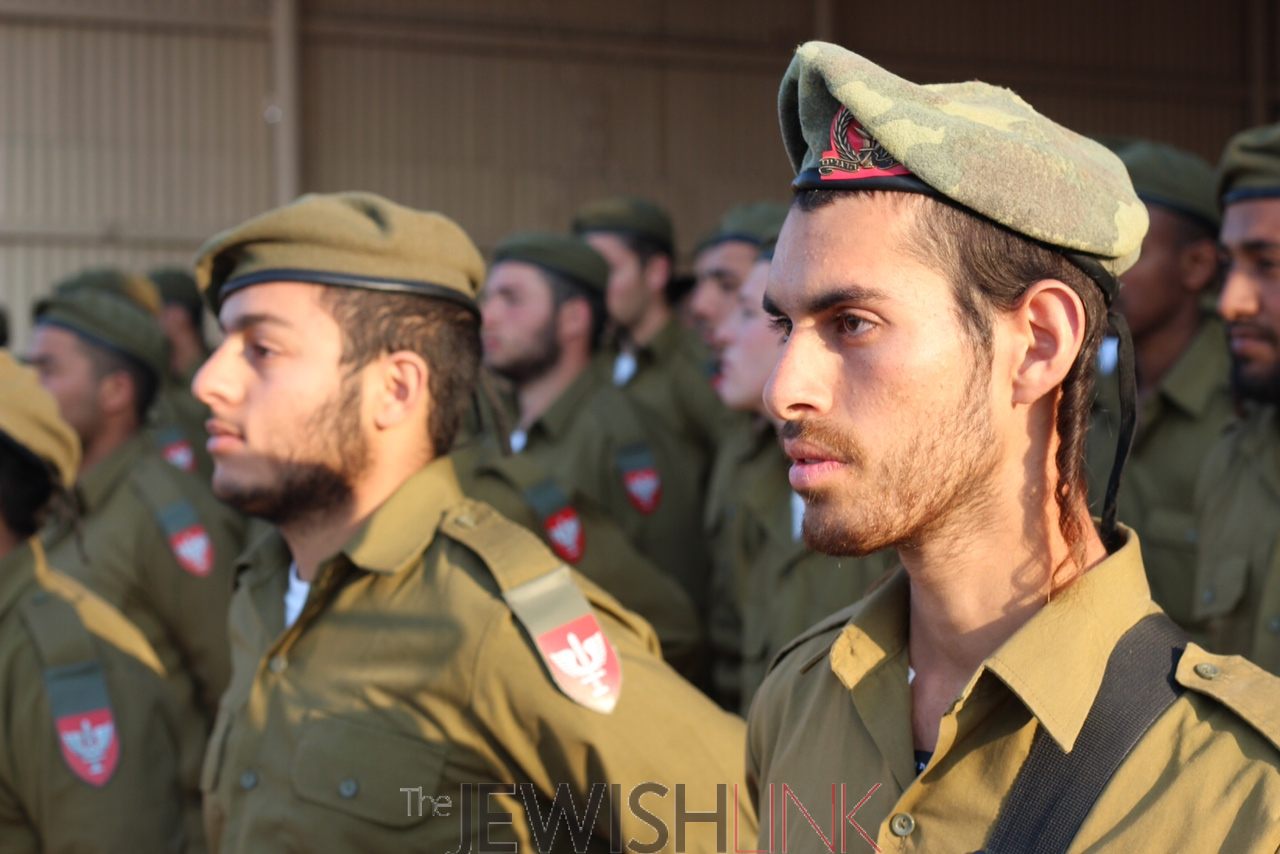
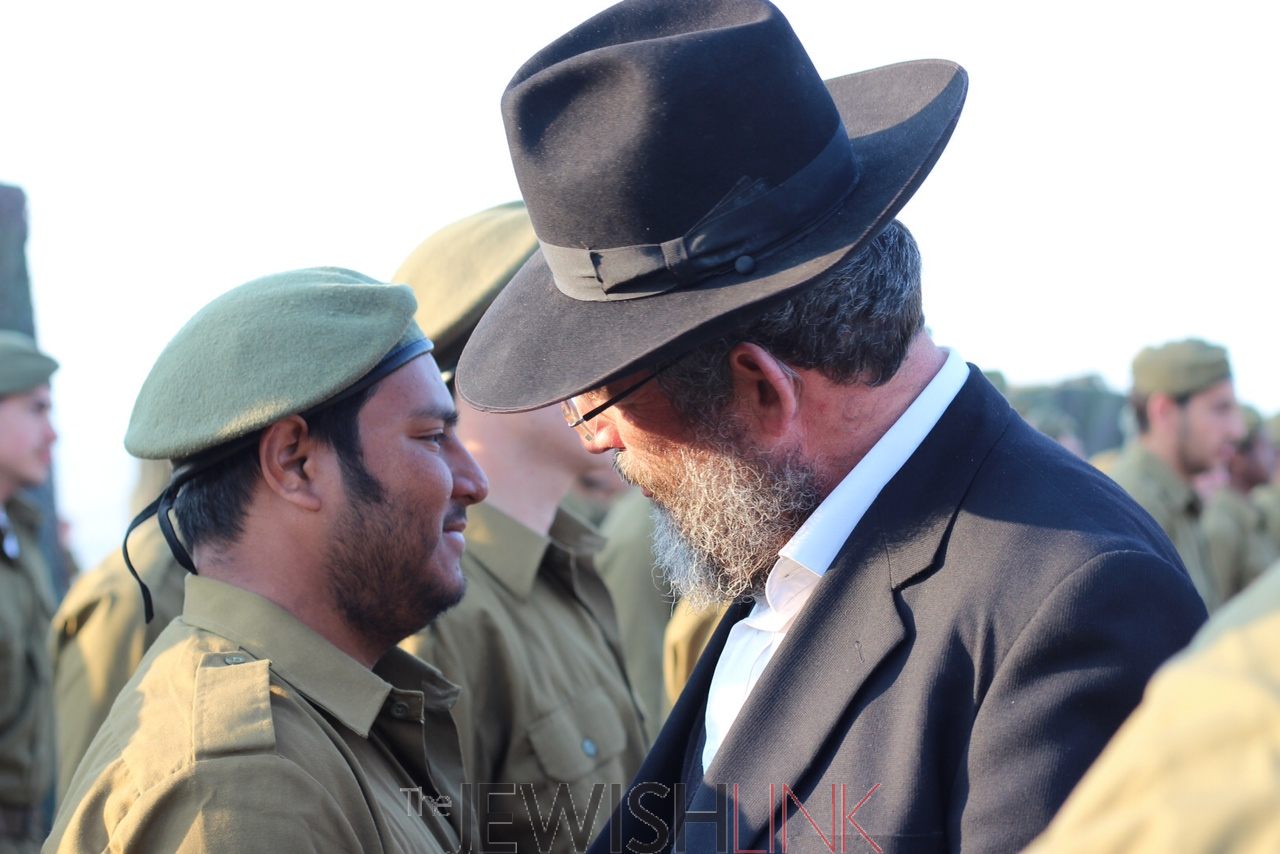
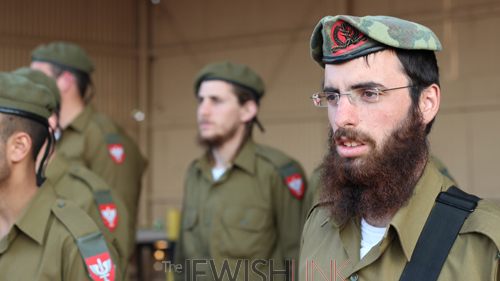
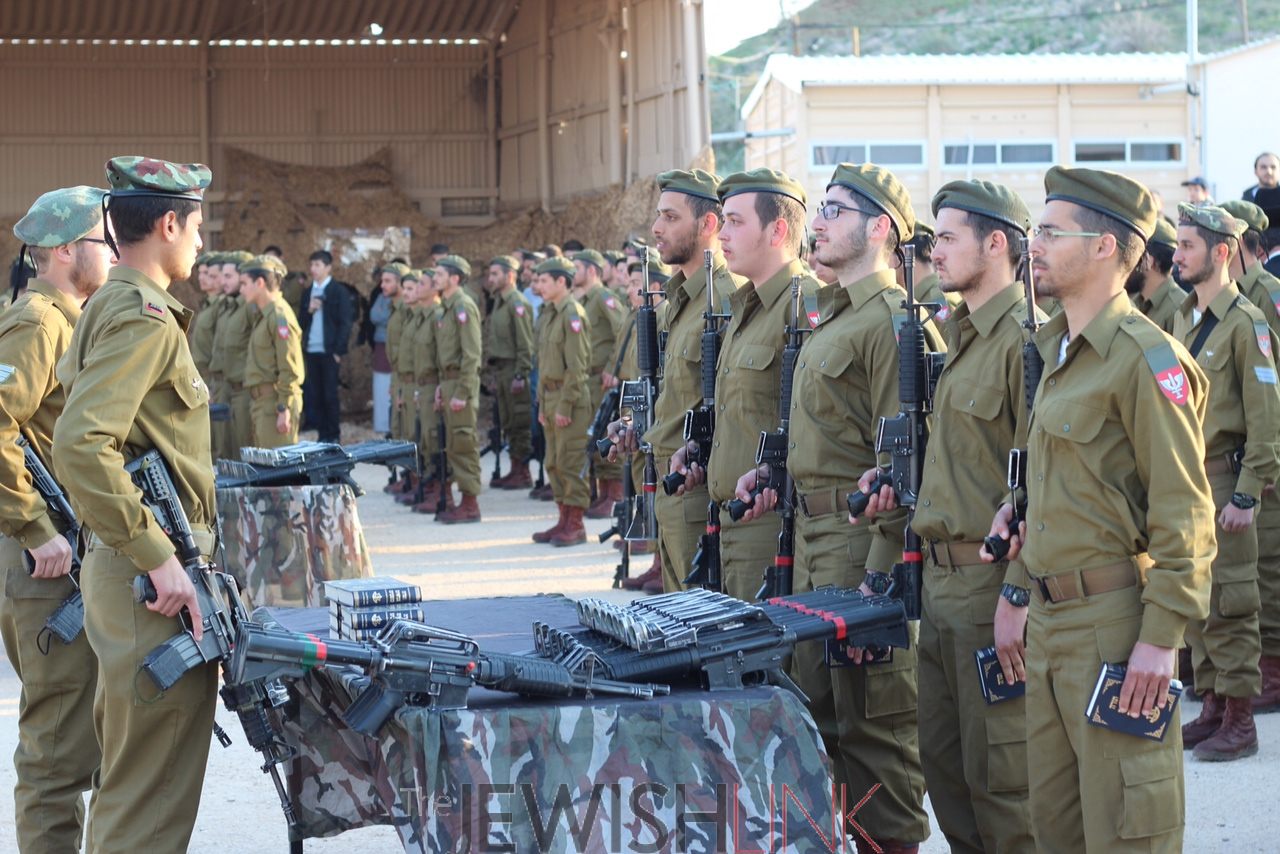
As thousands of the Ultra-Orthodox community protested violently at various cities across Israel against a government bill that may bring to their draft into the IDF, 170 soldiers of the Ultra Orthodox Netzah Yehuda Battalion were sworn in on Thursday (Feb 6).

Hundreds of family members from Jerusalem who came to show support for the soldiers at the swearing-in ceremony passed by the violent demonstration at the entrance to the city

Rabbi Yizchak Bar-Haim of the Nahal Hareidi Foundation, who accompanied the soldiers throughout their training, said: “These two contradicting events, the protests and the swearing-in ceremony, emphasize what we and the IDF command have been saying for a year: if the draft of the Ultra-Orthodox becomes a religious war no Haredi will enlist, and there will be protests. If there is cooperation, dialogue, and a mutual construction of the suitable systems we will witness an enlistment on a large scale of Ultra-Orthodox youth who are not suitable to sit and learn, as we have seen today.”

A military report concerning a commander’s course in which 11 of the 95 participants were from the Nahal Haredi stated: “From the outset of the course, the soldiers of the Nahal Haredi made a positive impression, performing as high caliber infantrymen, showing serious participation in coursework, and conducting themselves in a serious manner. They got along well with the rest of the soldiers in the group, and adjusted well socially with the general public at the base. They conducted themselves according to halachah and gave reinforcement to other observant soldiers in the larger group of participants.”

Over the past year, a sharp rise was recorded in the number of the brigade’s enlisting soldiers. 286 soldiers enlisted to the unit in November, a 70% increase compared to the previous November. In annual totals, 754 soldiers enlisted for the battalion, a 50% rise from 2012. The Nahal Hareidi has won several prizes in recent months. It won the IDF Department of Technology and Logistics’ Award in November, and a month later made IDF history by winning the Chief of Staff’s Prize for the first time.

The purpose of the Netzah Yehuda Battalion is to allow religious Israelis to serve in the IDF in an atmosphere conducive to their religious convictions, within a framework that is strictly halachically observant.
BY Aryeh Savir
Tazpit News Agency

New Agreement Between IDF and U.S. Air Force Will Help Save Lives

0

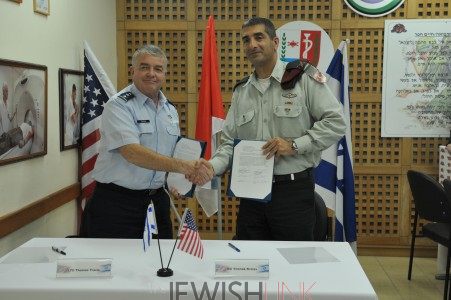
An agreement signed Wednesday (Feb. 5) between the IDF Medical Corps and the American Air Force Medical Department will enable both sides to work more closely together, sharing and developing techniques and technologies that will save lives on the battlefield and during humanitarian rescue missions.

At the conclusion of U.S. Air Force Lieutenant General (Dr.) Thomas W. Travis’s week long visit in Israel, during which he was exposed to the diverse and professional activities of the IDF Medical Corps and the Israel Air Force, a Terms of Reference (TOR) agreement was signed between the two parties. The agreement lays the foundation for deep and ongoing cooperation between the U.S. Air force and the IDF in areas of aviation medicine, mental health, academics and research.

At a briefing on Thursday, IDF Chief Medical Officer, Brig. Gen. (Prof.) Yitzhak Kreiss, spoke about his personal experience in working with U.S. medical forces. “We share knowledge and experience in terms of humanitarian missions and disaster management. I commanded the IDF’s Haiti field hospital in 2010. When the US Navy ship deployed there, they became a major asset in the area,” he said. “We evacuated patients to the US ship.” That is just one example of cooperation, Brig. Gen. Kreiss said. “We have worked together, side by side, in humanitarian missions across the world.”

The two sides bring their own unique advantages to the table in the agreement. “Americans have the advantage of size and scale,” said Brig. Gen. Kreiss. “They do the heaviest scientific work in trying to prove that a technology is evidence-based and cost-effective, and can be implemented on the battlefield. The Israeli advantage is that we are a relatively small medical corps, which is deployed 24/7 at hundreds of points, with a paramedic deployed in each battalion. If you want to test something, deploy or test a technology, we do it relatively simply. While the U.S. forces are often first to develop new technologies, what we can give back is deployment of those technologies quickly. The Americans learn from and use the knowledge that we have gained.”

“In my 25 years of experience in the IDF Medical Corps, the collaboration between us and the U.S. military is the deepest it has ever been,” Brig. Gen. Kreiss said. “Our collaboration is based on true partnership, friendship, and most importantly, on shared values.”

By Aryeh Savir

Tazpit News Agency

U.S. Air Force Lieutenant General (Dr.) Thomas W. Travis with IDF Chief Medical Officer, Brig. Gen. (Prof.) Yitzhak Kreiss. Credit: IDF Spokesman

This Is How Haredi Soldiers Looked 110 Years Ago

0

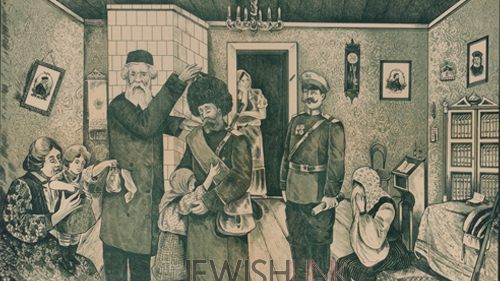
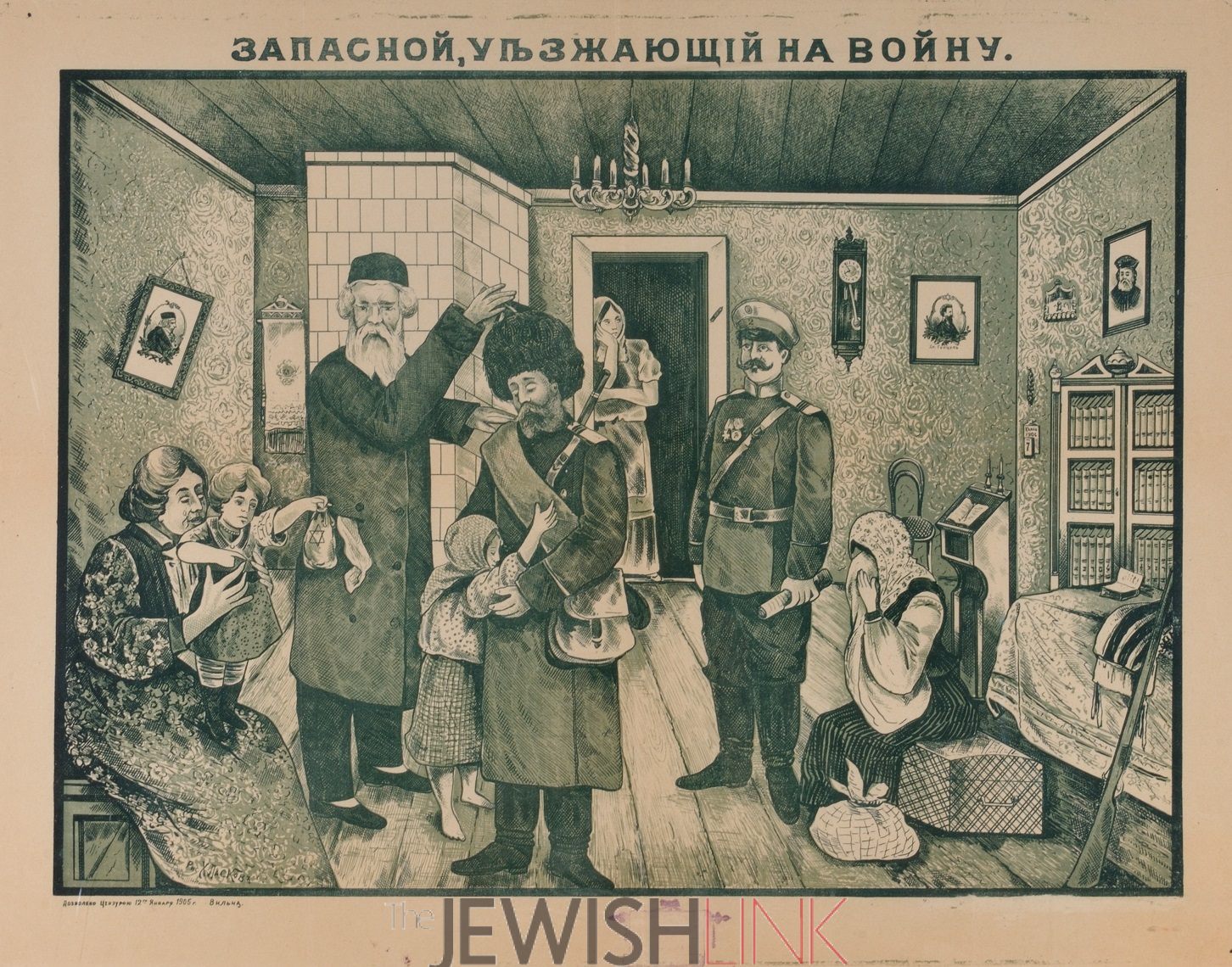
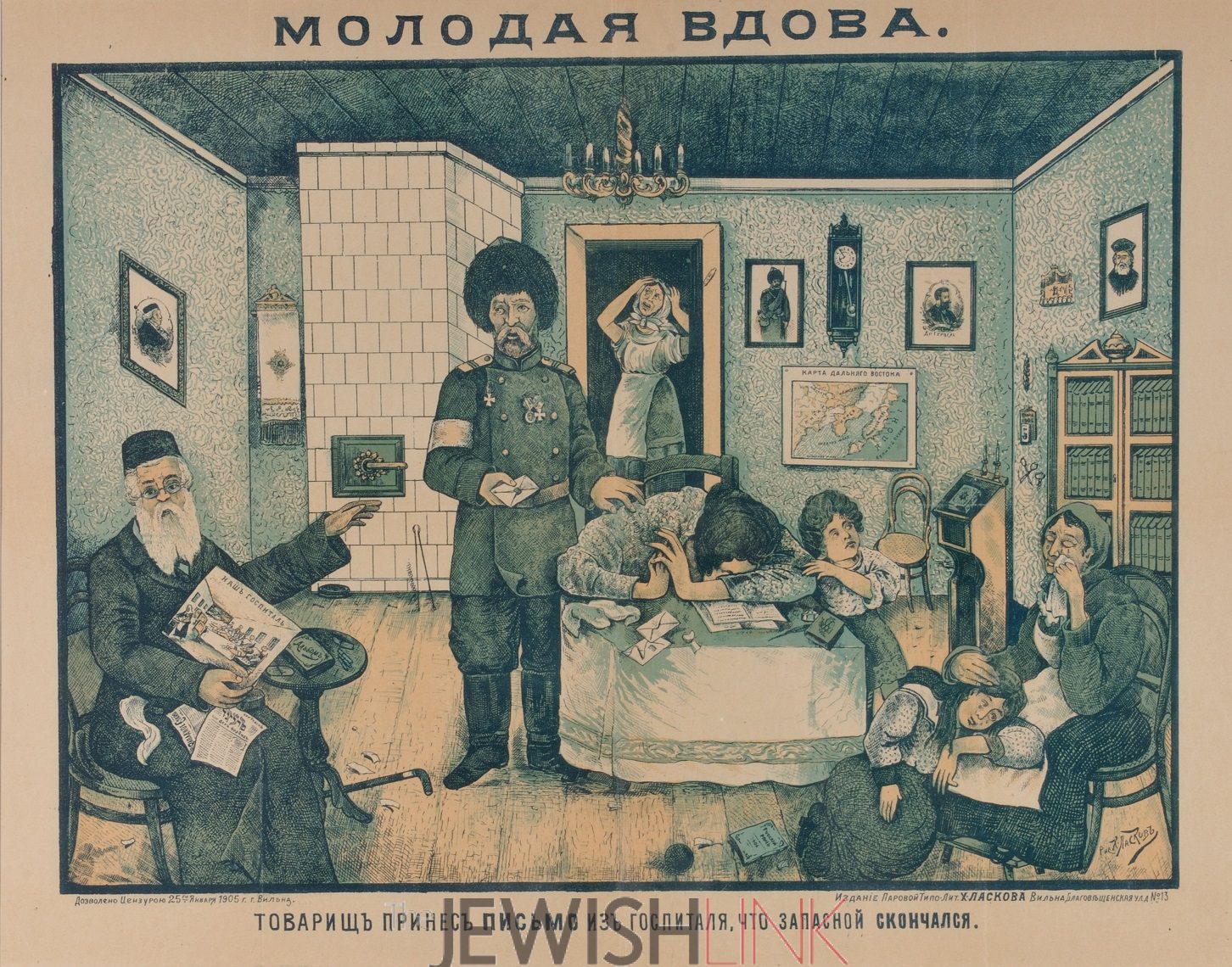
 A rich history of military service?  110 years ago, on February 8th, 1904, the Russo-Japanese war broke out, the war that marked the beginning of the revolutions in Russia and the downfall of the Tsar. Two lithographic illustrations which have recently arrived at Kedem Auction House in Jerusalem allow a special peek at a less known aspect of the war: the service of Haredi Jews in the Russian army and their losses.

Approximately 30,000 Jews that lived in the Russian empire participated in the Russo-Japanese war. Russia’s defeat in the war, as well as the heavy losses incurred by its army, left a real scar in the midst of the empire’s Jewish population, which followed the development of the war in the daily Jewish newspapers of that time. These two rare illustrations were made by the artist C. Laskov and printed in Vilna during the war.

The title of the first illustration (in Russian): ‘A Reservist Soldier Leaves for War’. The illustration portrays an Ultra-Orthodox Jewish soldier leaving his family after he receives a draft order. The draft officer stands behind the soldier with the order in his hand. In the illustration, the whole family can be seen sorrowfully bidding the soldier goodbye. His wife covers her face and weeps; his father blesses him with the priestly blessing. One of his sisters hugs him and the other hands him his tefillin.

The second illustration, named ‘The Young Widow’, portrays the moment that the family is informed of the death of the soldier. A military officer holding a letter in his hand stands in the center. He places his second hand on the shoulder of the soldier’s mother who hides her face in her hands. The soldier’s wife and sisters are crying. Above the illustration is a Russian inscription: The Young Widow. Under that is another inscription, ‘A Friend Brings a Letter from the Hospital with the News that the Soldier has died’.

Collectors are showing a lot of interest in these illustrations, especially on the backdrop of the recent public upheaval regarding the draft of Haredi young men into the army. Meron Eren, owner of Kedem Auction House, one of the largest auction houses in the world in the area of Judaica explains the reason the Jewish soldier in the illustrations is bearded and wears a fur hat (shtreimel). Apparently, many of the inducted Jews at the time of the Russo-Japanese war were Ger Hasidim.

This fact is mentioned in the book “Hassidic Tales” written by Rabbi Shlomo Yossef Zevin: “During the last year that the Gerrer Rebbe was living… the Russo-Japanese war broke out and thousands of young men of draft age among his Hassidim were sent to the battlefields in the Far East. The Rebbe blessed his Hassidim before they left for the long journey and his fear for the safety of these soldiers was great. All the time that his Hassidim were at the front, he never slept in his bed but would sleep on the floor with only his bedclothes spread beneath his body which were soaking wet with the tears he poured over Jewish sorrows. ”

By Aryeh Savir

Tazpit News Agency

0
Mazal tov to Yaakov Mirman and Zeesie Markman on their engagement!
Mazal tov to parents, Dr.& Mrs.Julian & Linda Mirman and Rabbi Aryeh & Rochel Markman.
Mazal tov to all the grandparents, siblings and extended family.

Terrorists Fire Rocket; IDF Retaliates

0

A rocket fired from Gaza struck the Hof Ashkelon Regional Council last night. In retaliation, the IDF attacked an underground rocket launcher in the central Gaza Strip and a terror site in the northern Gaza Strip. Direct hits were confirmed.

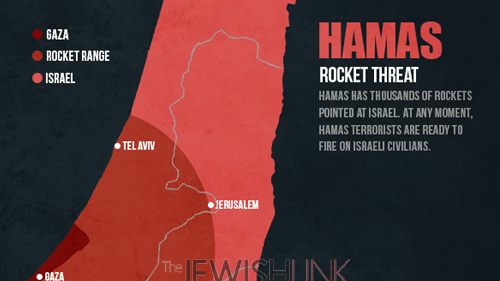
Since the beginning of 2014, 34 rockets have been launched from Gaza at Israeli civilian targets. 40% of civilians in Israel are in danger of Hamas rockets.

Lt Col. Peter Lerner, IDF Spokesperson stated: “The IDF targeted sites that were part of the infrastructure used to terrorize Israel and its civilians. The daily reality of Israelis exposed to rocket attacks is unbearable, incomprehensible and immoral. We will continue to act against the threats emanating from Hamas’ Gaza Strip; they must be held accountable for allowing the attacks to continue unhindered.”

Early Sunday morning Israeli aircraft successfully targeted a Popular Resistance Committees terror operative in the central Gaza Strip. He was affiliated with global Jihad and was involved in numerous incidents of rocket fire towards Israel.

Speaking at the start of his government’s weekly cabinet meeting, Israeli Prime Minister Netanyahu warned, “Our resolute policy against terrorism can be summed up in a single principle: Whoever attacks us or plans to attack us – will bear the consequences.”

“We will not tolerate the disruption of our citizens’ lives and will act forcefully against anyone who harms or tries to harm Israel,” Israeli Defense Minister Ya’alon said earlier this week. “We see Hamas as responsible for what happens in the Gaza Strip, and if it does not know how to impose its authority in its territory, it will also pay the price.”

By Aryeh Savir

Tazpit News Agency 


0

Mazal Tov!! Mazal Tov!!

A hearty Mazal Tov to Rabbi Yanky & Hindy Kahn on the birth of a son.
May he grow to Torah, Chupah and Maasim Tovim!

0
Mazal Tov!! Mazal Tov!!
A hearty Mazal Tov to Rabbi Ariel and Miriam Rav-Noy on the birth of a son.
May he grow to Torah, Chupah and Maasim Tovim!

Cheaper to be Healthier in Israel: Study Finds that Fruits and Veggies in Western Europe and the US More Expensive than Israel

0

A study carried out by the Israeli Ministry of Agriculture found that the cost of fruits and vegetables in Israel are lower – sometimes even significantly lower — when compared to prices of fruits and vegetables in the United States and Western European countries including France, Germany and Britain. 

Eleven fruits and vegetables were surveyed in America and Israel and all except for the bananas (34% less), were found to be cheaper in Israel. In the vegetable department, the study found that the average price of a kilogram of tomatoes in the US was 340% higher than in Israel and the average price of peppers was 116% higher in the US.

Among fruits, clementines and peaches are significantly cheaper in Israel, as prices in the US for those particular fruits are twice the cost (at 108% and 97% more respectively).
The study in price comparison between the United States and Israel was done between April and June of 2013. An additional price study between Israel and Western European countries was completed more recently according to the Ministry of Agriculture. All prices and quantities had been converted into shekels and kilograms according to the Bank of Israel exchange rates at the time the studies were done.

In regards to Western Europe, the price comparison study covered 12 different fruits and vegetables and found that except for onions (cheaper in Germany), fruits and vegetables were cheaper in Israel. The study showed that a kilo of cucumbers costs 270% more in France than in Israel and 260% more in Germany.  Avocados in the United Kingdom also cost significantly more, with a kilo of avocados costing 316% more in Britain than in Israel.

According to a Globes business report, the Ministry of Agriculture said that it was not surprised by findings on Wednesday. The Ministry highlighted that the primary reason for the lower prices is that most produce in Israel is grown domestically and that there is little imported produce. Further, fruits and vegetables in Israel are grown throughout the year, which means that there is generally a stable and steady supply.

By Anav Silverman
Tazpit News Agency

Breaking the Language Barrier: Israeli Physicians Introduce Simultaneous Translation Tool

0

Imagine being a new immigrant in Israel and needing to go through a major surgery at the local hospital. You might need to rely on a family member to translate for you, or hope that you somehow can get the message across. But now, at Rambam Health Care Campus in Haifa, the barriers to living in Israel as an immigrant just got diminished.

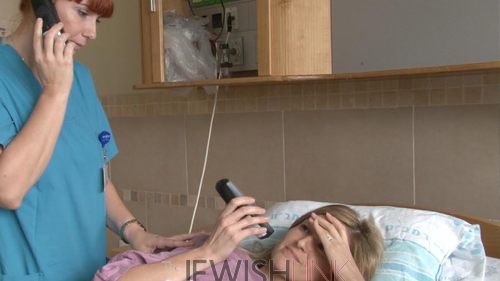
Thanks to a newly activated simultaneous translation device, patients at Rambam can request to use a phone-like tool that translates conversations with medical staff in real time. The tool connects to a trained medical interpreting staff working around the clock at the Ministry of Health.

The patient speaks to an operator, who translates what the patient is saying to the doctor, and translates back to the physician – as if the translator was in the patient room and conversing normally with the patient and medical staff. All conversations are recorded and saved as part of the patient’s medical records.

This translation services are available 24 hours each day, except on Shabbat. Arabic, Russian and Amharic speakers can use the program at no cost. In the first week that the system was operational, there were 84 Russian calls, 22 in Amharic and 3 in Arabic, according to the Health Ministry. Most of the calls were made by elderly patients.

Because Israel is a melting pot of cultures, physicians at Rambam are skilled at addressing health care issues across diverse populations. Language fluency is a particular challenge, especially with the large number of immigrants in Israel from various countries. According to government statistics, about 15% of Israel’s population speaks and understand Hebrew at an intermediate level and less than 7.2% of the population has a weak or minimal grasp of the language. Thus, lack of language proficiency can cause many immigrants to forgo medical care.

“It is important that the communication between the patient and the medical practitioner will take place continuously and that the language be understood by both parties, in order that the patient gets the best and right treatment,” said Kobi Shir Moskowitz, the project’s coordinator, “With this service, we come today to a population that was previously only reached through casual interpreters, which were not always available immediately. Now, when you can talk to the patient in his own language and they can express themselves freely, we see the differences and the meaning for all parties.”

0

Mazel Tov!!

Mazal Tov to  Alti & Dini Burston on the birth of a baby boy!

May he grow to Torah, Chupah and Maasim Tovim!

WP Twitter Auto Publish Powered By : XYZScripts.com