Home Blog Page 1567

“Chevra” Event Raises $200K

0

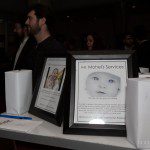
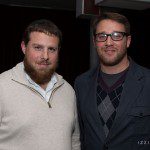
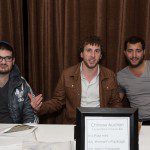
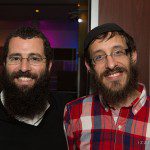
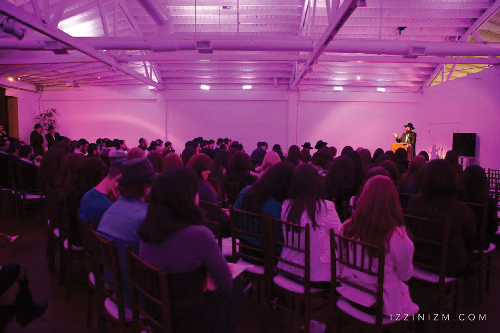
A recent gala evening for the Young Chevra of Southern California helped raise a record $200,000 for the Keren Avrohom Eliezer Gemach.

On Motzei Shabbos, Young Chevra of Southern California held a Melave Malka Cocktail Evening to benefit Keren Avrohom Eliezer – The Young Chevra Gemach.

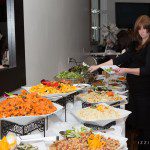
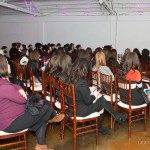
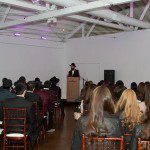
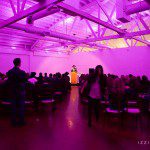
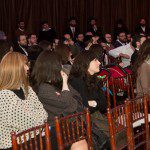
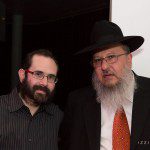
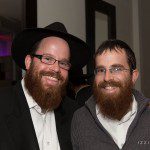
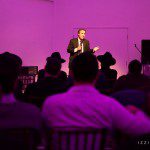
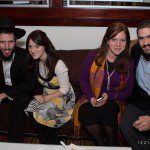
The Young Chevra Board planned a stunning evening at the exclusive “MARK” event hall. From the valet parking to the elegant hors d’oeuvres and dessert buffet by MGM Caterers, everything was first class. 250 young Lubavitchers from various communities across the Southland attended.

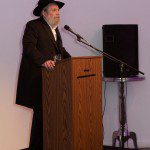
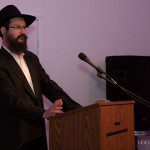
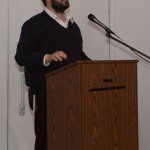
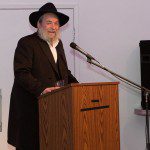
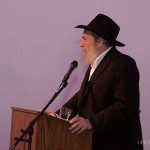
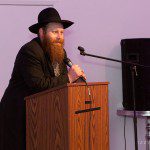
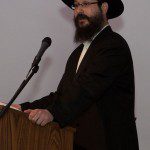
Following cocktail hour, participants were addressed by RabbiMendel Greenbaum who shared a D’var Torah, which was followed by a short message about the significance of a Gemach from Rabbi Mendel Goldman, who together with his family provided the seed capital that helped establish the Gemach back in 2008 in memory of his brother, Avremi OB”M for whom the Gemach is named.

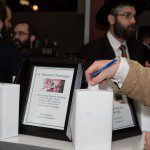
What took place next was truly an eye opener for everyone in attendance. Rabbi Levi Raichik described how helpful the Young Chevra Gemach had been in serving the community and then requested individuals to publicly announce how much they were willing to contribute as a “pikadon” to the Gemach. People raised their hands and called out numbers, “$1,000” “$5,000” “$3,000” “$10,000” and so on. By the time the numbers were tallied, the event broke a new record and raised over $200,000! This charitable stream of offers will undoubtedly have a tremendous impact for the Young Chevra community.

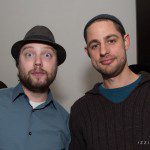
Following the formal part of the evening, Comedian Rob Caitentertained participants with his own very unique spin on Chabad.

The success of the evening was a credit to the achdus demonstrated by the growing Lubavitcher communities of Southern California. All who attended had a wonderful time, and more importantly, left knowing they had accomplished something very meaningful.

Special thanks to the Gemach Director, Danny Levin and the entire Young Chevra Board for their tireless efforts: Dovie & Yudi Blauner
Michoel & Ettil Bloom, Tzvika & Rivkale Ferszt, Yitzy & Yehudis Geisinsky, Ari & Mirale Goldman, Jonathan & Faygie Herzog, Levy & Malky Lieberman, Dovid & Sara Morris, Nuchie & Chavie Schapiro, Mendel & Esther Schwartz and Berele & Racheli Wilhelm.

“Young Chevra of Southern California” (www.youngchevra.org) is an association of young Lubavitch familes from 15 communities around Southern California. Each of the main local Shuls and regional communities has representation on the Young Chevra Board. The goal of Young Chevra is to promote achdus between the younger Chabad communities of Southern California and strengthen their overall connection with each other.

Keren Avrohom Eliezer – The Young Chevra Gemach, is a valuable resource for young families in Southern California. The Fund is available to assist people overcome a wide variety of circumstances including: helping to make a Simcha, expanding a business, providing a bridge loan, a cashflow crisis, or some other financial difficulties


A Visit to Remember Forever

0

TOLNER REBBE OF JERUSALEM VISITS JUNIOR HIGH BOYS FROM YESHIVA AHARON YAAKOV OHR ELIYAHU, LOS ANGELES

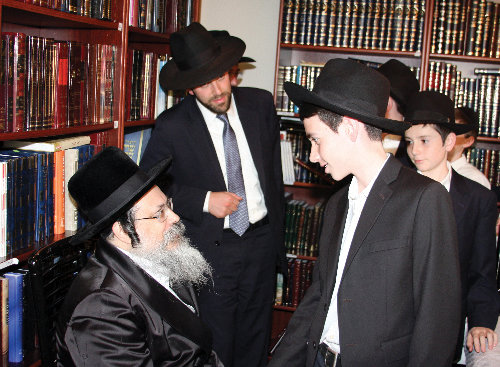
As Yeshiva Aharon Yaakov Ohr Eliyahu in Los Angeles celebrates its 18th year, the Junior High boys were fortunate to have the opportunity to visit the Tolner Rebbe, Rabbi Yitzchok Menachem Weinberg, shlita, who was visiting Los Angeles from Yerushalayim as part of the Torah Umersorah Mid-Winter Curriculum Conference. The Rebbe, shlita, discussed the love of Torah and compared missing one day of learning Torah to missing one day of vacation, and encouraged the boys to run to learn Torah at every opportunity.  The Rebbe left each class with a challenge to find connections between the Perek Gemorah they are learning and inyanim in Parashas Beshalach.  Correct answers earn them a personalized sefer from the Rebbe! We are grateful to Rabbi Eli Ryzman, who facilitated this wonderful, warm and inspirational opportunity.

Dissecting Depression

0

Depression, in its simplest and spiritual form, is a sense of lack of connection with Light, G-d, the Universe, or whatever you wish to name that which illuminates our entire world and personal being.  Imagine sitting on the beach on a bright and sunny day but being covered with a blanket over your entire body which puts a filter between you and the sunlight.  This metaphor represents depression, and the thickness of the blanket—meaning the amount of light that is able to filter through—represents the degree to which one experiences depressed feelings.  I think it is safe to say that most people experience in their lifetime feelings of being down or unhappy, or days or periods of time when the sunlight is not quite reaching us.  Perhaps it is related to a particular circumstance or event, or perhaps it is more a general sense of discontent or despair.

Regardless, depression manifests in a variety of different ways and can last anywhere from a few hours to several months or even years.  In the category of “Depressive Disorders” in the Diagnostic and Statistical Manual of Mental Disorders (DSM) there are pages and pages of depressive disorder diagnoses along with very specific categories of those disorders that indicate length of depression, symptoms of the depression, etc.  Although we may sometimes say, “I’m depressed”, in truth depression comes in a variety of shapes and sizes and is not so simple. Most important, if you or someone you know is experiencing symptoms of depression lasting more than a week or two, it is important to seek proper medical and psychological support to prevent the depression from worsening.  Of course if someone is experiencing thoughts of harming one’s self or someone else, this calls for immediate intervention via a doctor or hospital.

The following is a brief general description of the main signs of depression with some basic guidelines for how to manage and/or prevent depression.

Signs of possible depression needing professional attention (not all need be present, one or any combination of these points can indicate depression):

  • Depressed mood most of the day or almost every day (specific type of depressive diagnosis depends upon length of depressive symptoms, especially length of depressed mood along with other symptoms)
  • Sadness, crying
  • Anxiety, irritability, paranoia
  • Loss of interest in activity or pleasure
  • Appetite change and/or weight gain or loss
  • Changes in sleep patterns, more or less sleep than usual
  • Fatigue and/or low energy
  • Lack of motivation
  • Low self-esteem
  • Physical symptoms such as headache, backache, neck pain and/or other vague pain
  • Thoughts of guilt or hopelessness/worthlessness
  • Impairment in ability to think or concentrate
  • Thoughts of death or suicide

These symptoms, or any combination thereof, have been shown to be related to depression, however it will take a mental health professional to differentiate depression from other possible diagnosis that may exist along-side the depression.  When treating depression it is essential to have an accurate diagnosis so that the treatment does not accidentally worsen or aggravate other conditions that may be less obvious to the untrained eye.  One very specific and important example of this is distinguishing between depression and bipolar disorder, as treating depression when there is truly a bipolar disorder can severely impact the bipolar condition.

Treating depression

Most likely you know people who attempt to manage their own depression, even those who are unaware their condition is actually depression, through what I term “self-medicating” techniques.  These are quite commonly eating, excessive drinking of alcohol, use of recreational drugs, gambling, shopping, and/or other behaviors that provide a short-term mask or “high” that alleviates the depression.  I think most would agree that although these techniques may work for a few moments or hours, they are neither healthy nor effective in the treatment of depression in the long-term.

There are a variety of methods for addressing depression, and depending upon the nature of the condition any one or combination of these treatment options can bring relief.

  • Exercise:  Exercise is crucial to the successful management of minor to major depression.  It increases circulation, balances bodily functions and hormones, and helps to release certain brain chemicals that combat depressive symptoms.
  • Omega-3:  There have been significant clinical studies done proving the effectiveness of therapeutic doses of omega-3 for the treatment of depression.  A therapeutic dose is considered between 1200 and 1800 mg of omega-3 per day to be taken consistently.  Omega-3 has little if any side effects and does not interact with other medications, however prior to starting any supplement it is always good to check in with your doctor or health care provider to be sure it is the proper match for you.  One important note:  be sure to do the math and read the back of the label to take the proper milligrams of omega-3.  Often the capsule will have a milligram amount but the omega-3 content will be much less than the total amount per capsule.  I also always recommend purchasing an omega-3 supplement that is USP certified to ensure it will not contain toxins such as mercury.
  • Sunlight:  Good old fashion exposure to sunlight is an excellent remedy for fighting depression.  This is especially helpful if the depression is seasonal, most often related to winter months.
  • Nutrition:  Educate yourself on proper ways to eat in order to stabilize blood sugar and bring balance and sustenance to your body.
  • Stabilize sleep patterns:  Believe it or not sleep plays a huge role in managing depression.  Having regular wake and sleep times can assist in setting the body’s rhythm and functions.
  • Express gratitude:  Yes, you read that correctly.  Experience has shown me that regular and consistent expression of gratitude—to friends, family, and/or G-d—can actually create a shift of consciousness leading to a lessening of depressive symptoms.  To my knowledge there have not been studies to prove it, but try keeping a Gratitude Journal each day and see what happens.
  • Counseling:  Especially when depression is brought on by life events or circumstances, counseling can provide the necessary emotional support and guidance to help work through the situation and move through the depression to happier times.  When the depression seems to be more physiologically based, a counselor can provide consistent support for proper lifestyle and wellness choices to compliment any medical treatment.
  • Engage in activity:  Although most times when a person is depressed the very last thing they want to do is to engage socially, it is important to stay connected to other people.  Even if the activity is with only one other person and for a brief outing, be sure to get out of the house at least once or twice per week with another person or group of people.
  • Medical intervention:  When change of lifestyle as mentioned above is not enough to relieve depression, it is time to seek medical assistance.  This can be in the form of a psychiatrist (a mental health professional who can also prescribe medication) or perhaps you may be more inclined to seek holistic options through holistic medicine.  Either way, the timely and aggressive treatment of depression is essential if the depression has reached a point of not retreating when all other techniques have been attempted.  Depression can be serious and at times life-threatening and needs to be treated as such.

Those who experience depression often times experience a sense of guilt and hopelessness.  I’ve heard many times, “I have a wonderful spouse, great kids, a great home, but I’m still so depressed I can barely function at work.  I don’t know what’s wrong with me.”  In these moments all options of treatment must be examined including the spiritual, emotional, and physical.  With the proper support, lifestyle changes, and interventions the alleviation and/or complete recovery of depression can be experienced.  No matter what, do not give up and remember that behind the clouds the sun is always waiting to shine through.

 By Mia Adler Ozair, MA, LPCC, NCC

Mia Adler Ozair, MA, LPCC, NCC is a licensed clinical psychotherapist and educator with a private practice in Beverly Hills, California.  Mia is licensed in both California and Illinois and she can be reached through her website at www.bhcounselingcenter.com, e-mail at mia@bhcounselingcenter.com, office 310-464-5226, or followed on Twitter @MiaAdlerOzair


CIRCULATION & DISTRIBUTION

0

Community Links is the only Jewish community publication of its kind in Southern California!
We publish 9,000 copies every two weeks throughout the Southern California area. Community Links is distributed to over 200 convenient locations in Los Angeles, North Hollywood, Valley Village, Long Beach, Orange County, Oxnrad, Conejo, Burbank, Encino, Tarzana,and more! Community Links reaches an estimated 30,000 readers! In Addition, Community Links is also sent out directly to 500 homes and 4,500 through our Virtual Online & Facebook editions at no extra cost to the advertiser.

Los Angeles School Board Approves New Hebrew Language Charter School

0

Lashon Academy to become sixth school in Hebrew Charter School Center network

NEW YORK — The Hebrew Charter School Center today welcomed the latest addition to its growing network of Hebrew immersion charter schools with the formal approval of the Lashon Academy Charter School by the Los Angeles Unified School District Board on Tuesday.

Lashon will join the Hebrew Language Academy in Brooklyn, Hatikvah International Academy in East Brunswick, N.J., Kavod Elementary Charter School in San Diego, Sela Public Charter School in Washington, D.C., and Harlem Hebrew Language Academy in Manhattan as the sixth school to be developed based on the HCSC model.
“We could not think of a better way to start the new year than to bring our movement — and another innovative school of excellence — to one of the country’s most influential centers of learning and culture,” said HCSC Executive Director Aaron Listhaus. “We want to thank the the LAUSD for their support and validation of our model and applaud the Lashon planning team for their dedication and passion for creating more great educational opportunities for families in the Los Angeles area.”
Lashon, which will be located in Van Nuys, plans to start with 290 students in grades K-2 and grow to serve 660 children in grades K-6 by its fifth year.

“We are first and foremost very excited for and grateful to the Los Angeles community, which has provided us with incredible support as we have gone about developing this project,” said Lashon planning group leader Josh Stock. “We would also like to thank the Hebrew Charter School Center for their guidance and encouragement, as well as the LAUSD Board and Superintendent, with whom we have worked long hard to ensure we are building a school of excellence.”
ABOUT HCSC
The Hebrew Charter School Center (HCSC) is a nonprofit organization founded in 2009. The Center’s mission is to promote the development and sustainability of the Hebrew charter school movement by supporting a network of excellent schools that serve diverse populations of students, foster strong inter-personal relationships, advance overall academic and social/emotional well-being, and promote high levels of Hebrew language proficiency and understanding of the culture and history of Israel and its immigrant communities.
HCSC works with planning teams and existing charter schools across the country to:
Build and increase the capacity for designing new, high quality Hebrew language charter schools;
Provide resources for established schools;
Grow a field of educators prepared to lead Hebrew language charter schools and the movement;
Promote and support a network of high quality Hebrew language charter schools;
Support local communities to develop Hebrew language charter schools and to maximally benefit from their impact on children and families.
For more information, go to:
http://www.hebrewcharters.org/

Mental Health and the Torah Way

0

There is a book, a very heavy and cumbersome book, called the Diagnostics and Statistical Manual of Mental Disorders or DSM for short.  This book is the bible of all mental health professionals for assisting in determining proper diagnosis for clients and patients.  Within it you will find almost every possible disorder that may impact a person’s mental well-being.  Although many have debated what the content should be over the course of many years, it remains primarily the same with a few additions or deletions here and there.  However, there is one key element that is not stated or included in this book that perhaps speaks the loudest of all relevant factors:  It does not say, “Applies only to Asians” or “Does not impact Israelis” or “Not applicable to persons of color”, and it sadly does not say “Jews exempt”.  This, of course, is because these ailments and conditions are those of the Human Race, and have the potential to impact all of HaShem’s human creations equally.  Why do I make this point?  Quite simply because what I see in religious communities is a shade of secrecy and shame that these types of conditions exist among us.  These conditions impact our loved ones, our friends, our neighbors, yet even with today’s advancements people are still generally embarrassed to admit when there are problems.  Very unfortunately, this stigma often delays necessary treatment and does not help break the unproductive cycle of thinking there is shame in seeking help for mentally and emotionally related issues.  That’s the bad news.

Here’s the good news:  the secret is out and we do not need to hide.  Jews do in fact suffer from mental and emotional issues of all kinds in the same ratios as the general population.  We deal with child abuses, domestic violence, depression, anger management, anxiety, personality disorders, divorce, addictions, sexual issues, and general dysfunction to name a small few.  We, as Jews, are not alone in that we have these challenges alongside the rest of the Human Race, and you the reader are not alone because if you are suffering so are many others living right next door or even perhaps with you.  Which brings us to an extremely important question:  How are religious Jews meant to seek professional help when they live within the context of an entirely unique and specific set of Jewish laws and guidelines?  What about the community and rumors?   How can a person trust that his or her matters will be kept strictly private?  Well, many seek the help and guidance of their Rabbi which is an excellent place to start.  A rabbi can provide initial comfort and reassurance, can answer religiously-based questions, and can refer you to professionals who have training to address specific needs.  However, what if you don’t have a rabbi or are embarrassed to approach your rabbi?  In Los Angeles we are very blessed in the matter of support for mental and emotional issues.  The Jewish Federation of Los Angeles and their Aleinu offices offer a variety of therapeutic services to support the community.  In addition, there are many therapists in the area specializing in working with the Jewish community who are themselves observant and understand the nature and culture of religious Jews.  Just off the top you’ve been given three excellent and viable options for seeking help in our community and I’m certain there are many more.

The key point here is this:  if you or someone you love is suffering from a mental health issue, please do not ignore it.  Do not think it will go away on its own.  Do not be embarrassed.  Do not stay in a state of denial.  Do something to help the situation and don’t wait yet another day.  Our Torah gives us values to live by, and at the top of these values is the value of life itself.  Life, according to Torah, does not simply mean a beating heart and breathing lungs.  Live means living.  Life means contribution.  Life means realizing personal potential and sharing it with others.

“V’Avraham zakein bah bayamim”, “And Abraham, the elder, came with days.”

What does it mean that Avraham Avinu, z’l, “came with days”?  It means at the end of his life when he presented in the heavenly courts, he came with days rich with life and mitzvoth.  It means he lived his life and brought meaning to other’s lives.  He showed up.  He engaged.  He literally ran to do mitzvoth.  If we are truly Torah observant Jews then we must recognize that we have an obligation to live our lives to the fullest and to reveal all of the greatness that HaShem intended for us.  If mental and emotional issues are preventing you, or someone you love, from doing this, then you must take steps to seek help and not waste another moment.  No matter your challenge, from depression to matters of shalom bayit, there are people who can help and support you.  However it is your job to take the first step and ask for that help.  The time has come to remove the stigma of seeking help for mental and emotional matters and it is the Torah way to support members of our families and communities as they do so.

Just as Avraham Avinu, z’l, knew the importance of living each day to its maximum potential, we must also embrace the right and responsibility we have to ensure that with proper support and guidance we too can overcome our challenges and come out stronger, wiser souls.

By Mia Adler Ozair, MA, LPCC, NCC

Mia Adler Ozair, MA, LPCC, NCC is a licensed clinical psychotherapist and educator with a private practice in Beverly Hills, California. Mia is licensed in both California and Illinois and she can be reached through her website at www.bhcounselingcenter.com, e-mail at mia@bhcounselingcenter.com, office 310-464-5226, or followed on Twitter
@MiaAdlerOzair.
 

Orthodox Jewish Chaplaincy Board’s Chanukah Awards Event

0

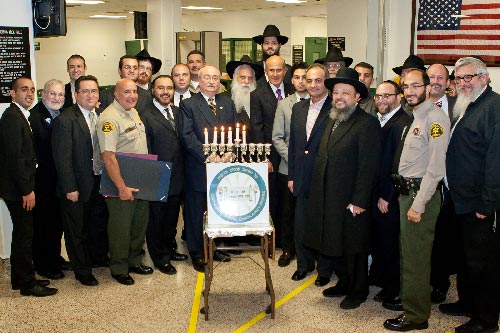
The Orthodox Jewish Chaplaincy Board (OJCB) of Southern California conducted its Chanukah candle lighting with Jewish inmates at Men’s Central Jail (MCJ), Twin Towers Correctional Facilities (TTCF) and Pitches Detention Center (PDC) during various nights of Chanukah.
On the fifth night of Chanukah the OJCB held a Chanukah celebration at the Men’s Central Jail prior to visiting the inmates. Los Angeles County Sheriff Lee Baca, Correctional Services & Custody Operations Division Chief Alexander Yim, Inmate Services Bureau Director Karen Dalton, DrPH, CJM, and other high ranking members of LASD who have all been helpful to the efforts of the OJCB and who assure that all inmates of all religions are able to observe their religious rights during their incarceration were present as the OJCB bestowed awards upon those who have performed their duties in an exemplary manner and to those who have assisted and supported the OJCB and the inmates who are being served by them.
LASD Custody Assistants Jason Alexander Case and Ricardo J. Pedroza were recognized for their outstanding assistance, continued support and endorsement of the OJCB. Los Angeles County Commissioner Howard Winkler who is the OJCB Director/Senior Chaplain stated to the Honorees, “Your commitment and dedication to the OJCB and to the inmates we serve is greatly appreciated. The Orthodox Jewish Chaplaincy Board recognizes your professionalism and commends you for exemplary service.”
MCJ Captain Ralph G. Ornelas and TTCF Lieutenant Elior Morejon were recognized for their outstanding assistance, continued support and endorsement of the OJCB. Both Cpt. Ornelas and Lt. Morejon have been extremely helpful and have gone out of their way to accommodate religious practices for all inmates in general and for the Jewish inmates in particular.
Inmate Services Bureau Director Karen Dalton and Lieutenant John Hunter accepted awards on behalf of the Religious & Volunteer Services Unit for their professional management of the programs performed by the OJCB.
Rabbi Zvi Bojarski is the West Coast Director of the Aleph Institute, a Florida Based Chaplaincy organization working with Jewish Inmates in many different jails and prisons throughout the country and Rabbi Gavriel Hershoff who is the Executive Director of Aish Tamid of Los Angeles, a multi-faceted outreach and crisis intervention program for teens and young adults in our community were recognized for their outstanding professional assistance, continued support and endorsement of the OJCB. Both Rabbi Bojarski and Rabbi Hershoff are active OJCB Chaplains at the L.A. County Jails.
Michele Lelah, CPA who works with Attorney/CPA Yosef Manela, was honored for her support, commitment and dedication to the OJCB. They handle all OJCB financial and legal matters.
Elinor Marks-Gordon, LCSW who is Director of the Holocaust Survivor Program at Jewish Family Services (JFS) of Los Angeles was honored for her support, commitment and dedication to the OJCB. The OJCB is exploring the possibility of setting up an “Adopt-A-Holocaust-Survivor” program in conjunction with JFS where Jewish high school students develop a relationship with and visit Holocaust Survivors at least once a week especially those with no immediate family members living close by.
Director Winkler presented a commendation plaque to Sheriff Lee Baca for his support, commitment and dedication to OJCB. A special recognition award by L.A. City Mayor Villaraigosa and all the Members of the Los Angeles City Council was presented to Sheriff Baca for his “Steadfast Leadership of the L.A. County Sheriff’s Department and to the Orthodox Jewish Chaplaincy Board for “Dedicated, Outstanding and Compassionate Service to the Inmates of the L. A. County Jail.”
All honorees and awardees present, as well as the OJCB, received commendations from United States Congressman Brad Sherman, the L.A. County Board of Supervisors, Sheriff Lee Baca, Mayor Antonio Villaraigosa, L.A. City Councilman Paul Koretz, and the OJCB.
Sinai Glatt Kosher Catering (RCC Glatt) graciously hosted the event with a gourmet buffet dinner consisting of a variety of salads, hot entrees, assorted cold cuts, potato latkes with apple sauce and jelly doughnuts.
Immediately following the Awards Event the Chaplains, Assistant Chaplains, and Volunteers of the OJCB fanned out to visit the Jewish Inmates. Together they lit candles, ate jelly doughnuts, sang, danced and uplifted their neshomas and brought them Chanukah light and joy!
The OJCB is in desperate need of soft cover seforim and other appropriate reading materials, Hebrew/English, Hebrew/Farsi and English only. All books must be new or in good condition with no notes or anything written inside.
A tax deductible receipt will be sent to all contributors. Send your tax-deductible contributions to: Orthodox Jewish Chaplaincy Board, P.O. Box 480454, Los Angeles, CA 90048.

Photo Front Row, L-R :  Yonathan Shraga, OJCB Senior Chaplain Rabbi Israel Hirsch, Chaplain Dara Abaei, Captain Ralph Ornelas, State of California Department of Corrections Senior Officer Yonatan Berdugo,  OJCB Director/Senior Chaplain Howard Winkler, OJCB Senior Chaplain Rabbi Shimon Raichik. Sheriff Lee Baca, Shai Abishoor, Nick Niksefat, OJCB Senior Chaplain Rabbi Gavriel Cohen, Chaplain Rabbi Gavriel Hershoff, LASD Reserve Deputy Ari Sabbagh, Rabbi Yankee Raichik, Back Row, L-R:  Moshe Hirsch, Eli Seleh, West Coast Director of the Aleph Institute/OJCB Chaplain Rabbi Zvi Bojarski, Farshad Goharseenai, Lieutenant Elior Morejon, Councilman Michoel Bloom, Bruce Bloom, Moshe Jacobs, Rabbi Uri Weitz, Gregory Metzger, Rabbi Leon Diner (partially hidden).
Photo Front Row, L-R : Yonathan Shraga, OJCB Senior Chaplain Rabbi Israel Hirsch, Chaplain Dara Abaei, Captain Ralph Ornelas, State of California Department of Corrections Senior Officer Yonatan Berdugo, OJCB Director/Senior Chaplain Howard Winkler, OJCB Senior Chaplain Rabbi Shimon Raichik. Sheriff Lee Baca, Shai Abishoor, Nick Niksefat, OJCB Senior Chaplain Rabbi Gavriel Cohen, Chaplain Rabbi Gavriel Hershoff, LASD Reserve Deputy Ari Sabbagh, Rabbi Yankee Raichik, Back Row, L-R: Moshe Hirsch, Eli Seleh, West Coast Director of the Aleph Institute/OJCB Chaplain Rabbi Zvi Bojarski, Farshad Goharseenai, Lieutenant Elior Morejon, Councilman Michoel Bloom, Bruce Bloom, Moshe Jacobs, Rabbi Uri Weitz, Gregory Metzger, Rabbi Leon Diner (partially hidden).

“Debunking Healthy Food Myths” – Part 3

0

Myth #3
Healthy Food is SO Hard to Make.

The actual myth goes something like this: Healthy foods are SO hard to make because they are so terribly time-consuming. I will never be able to be both sane and healthy!
This, of course, is not the truth of the matter. The truth is that potchke foods are terribly time-consuming to make, and can easily wear down your sanity. Foods that necessitate a lot of peeling, chopping, sautéing, and/or many different pots, pans, bowls, and utensils are potchke foods. There is nothing about healthy foods that mandates you making a large mess, or spend a lot of time in your kitchen.
Healthy foods made with simple ingredients can be prepared in a snap. Today’s simple example is scrambled eggs served with sliced tomato.
Crack the eggs. If you keep kosher -or you are just grossed out by blood spots- check for blood spots. If all is free and clear, go ahead and scramble it up with a fork. Pour it into a preheated pan with butter. WHAT? The crowd gasps. Yes, butter. Just like your great-grandmother used. Scramble it all around until it’s as soft and mushy, or as hard, as you like it. Plop it on a plate next to some tomato slices. Salt and pepper to taste, and voilà . The breakfast of champions.
Why, you ask? Why is this the breakfast of champions?
Let’s see. Eggs. Incredible, edible eggs. Good quality eggs are rich in just about every nutrient we’ve discovered, especially Vitamins A and D. They have sulphur-containing proteins, which are necessary for the integrity of cell membranes, and contain amino acids tryptophan and methionine that promote a healthy nervous system and good moods! Egg yolk is the most concentrated source of a B Vitamin called choline that we know of. Regarding minerals, eggs are an outstanding source of “heme” iron, which is one of the most absorbable forms of iron. They also provide calcium, phosphorus, and trace minerals. Overall, chicken eggs are considered to be the “most complete” protein source in a single food. In fact, the amino acid profile in an egg is so well proportioned that eggs are used as the reference point in judging the protein quality of other foods.
Butter. It’s bettah with buttah. Good quality butter is a wonderful source of fat-soluble Vitamins A and D, and they are in a most absorbable form. Because of this, in many primitive cultures, butter from grass-fed cows is prized for being especially beneficial for children and expectant mothers. These fat-soluble vitamins found so abundantly in butter act as a catalyst for mineral absorption. Without them, our body is not able to utilize the minerals we ingest, even if they are present in abundance. They are essential for growth, for healthy bones, and for the proper development of our nervous system and brain. Many studies show that butterfat is crucial in maintaining normal reproductive powers, as it is rich in Vitamin E, a precursor for sex hormones.
Tomatoes provide Vitamin C, carotenoids, B-Complex, potassium, magnesium, phosphorus, and calcium. Along with other red fruits, tomatoes are a wonderful source of lycopene, which is valuable in protecting us from cancer.
Now, the recipes I’ve shared in this little mini-series are not exactly earth-shatteringly unique. They are intentionally very basic and simple. Preparing body-building, brain-building, good-mood-supporting, and delicious food for your family is practical, relatively easy, and valuable goal for every home-makin’ Priestess.
Myth #3 has been debunked!

Shaina Kamman, AADP is a Board Certified Health Coach supporting you to Transform Your Kitchen into a Haven of Health! Whether you simply recognize the value of robust health and prevention, or you have specific health concerns you want to address, Shaina’s individualized program will make your transition easy, fun, and delicious! You can find more information at www.LifeWithin.info or on www.facebook.com/TheLifeWithin.

KYY Visits Mexico

0

Kol Yakov Yehuda -The Rebbe’s Diamond Daveners  in Los Angeles headed to Tijuana, Mexico, for their annual Shabbaton.

A group of boys from Los Angeles, led by Rabbi Mendel Duchman, got to tour and impress the Jewish community in Tijuana, Mexico. 30 children who attend Kol Yakov Yehuda -The Rebbe’s Diamond Daveners in Los Angeles headed to Tijuana, Mexico, for their annual Shabbaton.
The minyan is a unique Shabbos davening program that gets local children involved in the davening, and in fact in the running of their entire congregation.
Within the adult shul of Congregation Levi Yitzchok, they have their own Sefer Torah, a president, a gabbai, a “rabbi,” social events, and other shul-type activities. And every year they take a trip to an exciting locale.
This year, they were hosted by Rabbi Mendel Polichenco and his wife Dini of Chabad Without Borders center in Tijuana, Mexico (they also serve the nearby community of Chula Vista, California).
The kids were picked up at Cheder Menachem after davening with their fellow students and headed to the U.S.- Mexico border just south of San Diego.
They kept busy during the two-hour bus trip with a Chassidishe version of “I Spy” and a Chanukah Trivia Game. Meeting them over the border was Rabbi Polichenco and his large Mitzvah tank.
Together they headed to the largest Tijuana tourist-oriented mall to do mivtzoim, followed by a bargaining shopping spree, which they really enjoyed.
Shabbos is taken in earlier in Mexico, so they traveled on to the Chabad campus and were assigned their accommodations. And then, the Shabbos that will remain with these kids for a lifetime has began.
The local community, over 125 people, greeted them, first for Kabbolas Shabbos and then for the meal in their large and spacious social hall. The entire Shabbos meal had a chassidishe atmosphere with a Mexican touch in food, divrei Torah, and in song – a new experience for the boys.
Then came the highlight of the evening, when the Shliach asked Efraim Schmukler, a Diamond Daveners and son of the Shluchim in Albuquerque, New Mexico, to address the community.
Eraim Schmukler, who attends Cheder in Los Angeles, eloquently held forth in a 12-minute speech, which included a Dvar Torah and a detailed explanation of what the Diamond Daveners is. He received a standing ovation.
Once the community depa

Beyond Ritalin

0

As more of the nation’s children are being diagnosed with hyperactivity and attention-deficit disorders, some parents are finding that natural alternatives are helping their families cope.

By: Mia Adler Ozair, MA, LPCC, NCC

The phone rings and caller ID tells you it’s your child’s school or camp calling. Your heart starts beating more quickly and you take a deep breath before you answer, wondering what it’s going to be this time.  They are calling to tell you that your child, this beautiful creation of yours, has once again wandered away from the group, this time on a field trip where teachers spent 30 minutes searching for him. Or she has impulsively hit another child. Or he is not staying seated in the classroom and can’t seem to focus. Or she is not making significant connections with other kids. You hear this, and that part of you that was hoping this call would be different begins to feel queasy. However, you are not surprised.  This is not the first call, and most likely will not be the last.

If this scenario sounds familiar, chances are you are the parent of a child with attention deficit/hyperactivity disorder (ADHD).  And you are not alone. The statistics are staggering. According to the Centers for Disease Control and Prevention (CDC), attention deficit/hyperactivity disorder affects millions of children in the United States, an estimated 5 percent to 10 percent of all children nationwide, and is considered one of the most common disorders among children. Experts suspect that 50 percent of children with ADHD are never formally diagnosed, and we see significantly higher incidences of ADHD in boys.

Children with this diagnosis often demonstrate, among other things: inattentiveness, irritability, impulsivity, hyperactivity, social/emotional issues, and defiance. Causes of ADHD are thought to be predominantly genetic. However, environmental influences, such as nutrition, stress, poor parenting and excessive use of screens (television/computer/video games) are thought to potentially play a part. Although ADHD can vary in severity, it not only impacts the daily life of the child, but the rest of the family as well.

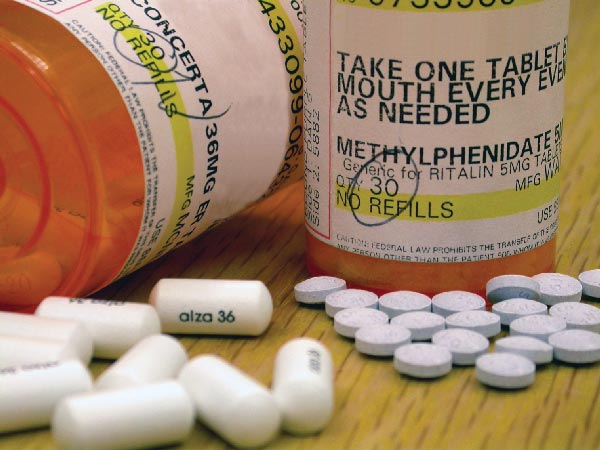
Popular treatment options include medication, such as stimulants like Ritalin, along with behavior modification plans. All too often when a child is diagnosed with ADHD the parents are given a prescription and sent on their way. Conventional medications absolutely have their place and are appropriate in various cases.  In fact, I have personally seen a child’s world turn around completely as a result of the correct medication. However, there are many alternative treatments for ADHD that can be used in place of, or in conjunction with, these medications.

Because these alternative treatments are relatively new to the general public, many are not backed by the same scientific data found in prescription drug studies. But plenty of professionals, parents, and children say they have seen marked improvements as a result of alternative treatment.  Below you will find alternative treatments to consider for you ADHD child. Some are “mainstream alternative,” while others are more obscure. You, your family, and health care providers can determine which options seem most appropriate.

Counseling

Proper counseling can assist both parents and children to manage life with an ADHD-diagnosed child.  Quite often the impact of the diagnosed child on the entire family dynamic is pronounced.  Counseling can assist with parenting techniques, managing behavioral approaches, attending to family dynamics, offer emotional support to the parents, and directly support the child with social/emotional issues.  Counselors with certain experience can also act as a bridge between the child’s family and school to ensure the child is receiving the proper accommodations to support academic performance.  In the world of ADHD and mental health diagnostics, it is also common for a parent to have his or her own diagnosis to contend with in addition to the child’s.  Having the professional input from a licensed therapist can offer a great deal in the way of managing an ADHD diagnosis.

Holistic Medicine

By definition, holistic medicine, also called integrative medicine, focuses on any type of ailment or condition through a multi-dimensional approach. The approach is an all-inclusive one that begins with a hair analysis, a special diagnostic tool that provides them with information on what types of toxicities are in the body. This is followed by a full nutritional evaluation, a stress analysis and an environmental examination dealing with any psychological factors influencing the home and family. In addition, the child is introduced to yoga, meditation, and breathing techniques. Finally, homeopathy, the use of natural plants, minerals, and tissues in diluted forms, is used to impact the energetic realm of the child.  There are specific types of elements that a holistic doctor might examine that perhaps would be overlooked through traditional Western medicine.  I highly recommend a combination of both in the hopes of finding the best solution for the particular child’s needs.

Neurofeedback

Neurofeedback is a process through which the brain is trained to improve regulation of bodily functions. This technique can aid ADHD children by training their brains to better organize, encode, recall and apply information. The process in non-invasive, completely painless and does not produce side effects caused by medication. In a typical session, sensors are connected to the head to monitor brain-wave activity. The child sits in from of a monitor, much like a computer game, and is asked to make the dame operate with his or her brain. Their thoughts literally make the game work. As the child plays, the sensors exchange information with the computer while targeting the specific area of improvement-for example, decreasing hyperactivity or increasing impulse control. Gradually the brain responds to this new cueing and new brain-wave patterns are created. Again, I have personally seen great success with Neurofeedback used with children. To learn more about neurofeedback visit www.egginfo.com or find your local provider.

Nutrition

Given that our bodies are essentially organic machines, it makes sense that what we use for fuel will greatly impact the body’s operations. According to Marcia Zimmerman, C.N., in her book The ADD Nutrition Solution, people who suffer from ADHD, particularly children, have tendency to be highly sensitive and require special dietary considerations. For example, our diets are often deficient in certain essential nutrients, such as omega-3, which impact many parts of our brain processes, including neurotransmitters (important in cellular communications), focus and much more. A study at Purdue University found that boys diagnosed with ADHD had lower levels of the omega-3 essential fatty acid DHA (American Journal of Clinical Nutrition, Vol. 71). Other similar studies have demonstrated that children with ADHD have a tendency to have deficient levels of magnesium, and zinc, as well.  Supplementing diet with therapeutic doses of omega-3 is an easy and effective way to support a child’s immune system.  One word of caution:  be certain that whatever supplement you choose is “USP Certified” to avoid any unwanted toxins found within the oils.  To determine the appropriate dosage for your child, contact your pediatrician, nutritionist, or holistic health provider.

Pilates, Martial Arts, Yoga

It is well known that exercise is essential for well-balanced, healthy living. Exercises that specifically require the participant to integrate both the mind and the body through use of controlled movement and special breathing techniques are very effective in helping the ADHD child learn to channel excess energy and follow fun and exciting instruction.  Unlike the classroom that requires kids to sit, participating in exercise classes allow a child to engage intellectually and socially while at the same time being able to move.

Effectively managing and treating ADHD in a child is often complex and demanding on all types of resources including time, money, and energy.  It can be highly effective to build a team of professionals around your child that involve both traditional and non-traditional approaches.  Regardless of which approach you choose, most important is to provide the child with the greatest level of support during the formative years of childhood.  This consistent and early intervention can pave the way to a more successful adolescent and adult life experience.

Mia Adler Ozair, MA, LPCC, NCC is a licensed clinical psychotherapist and educator with a private practice in Beverly Hills, California.  Mia is licensed in both California and Illinois and she can be reached through her website atwww.bhcounselingcenter.com, e-mail at mia@bhcounselingcenter.com, office 310-464-5226, or followed on Twitter @MiaAdlerOzair.

WP Twitter Auto Publish Powered By : XYZScripts.com